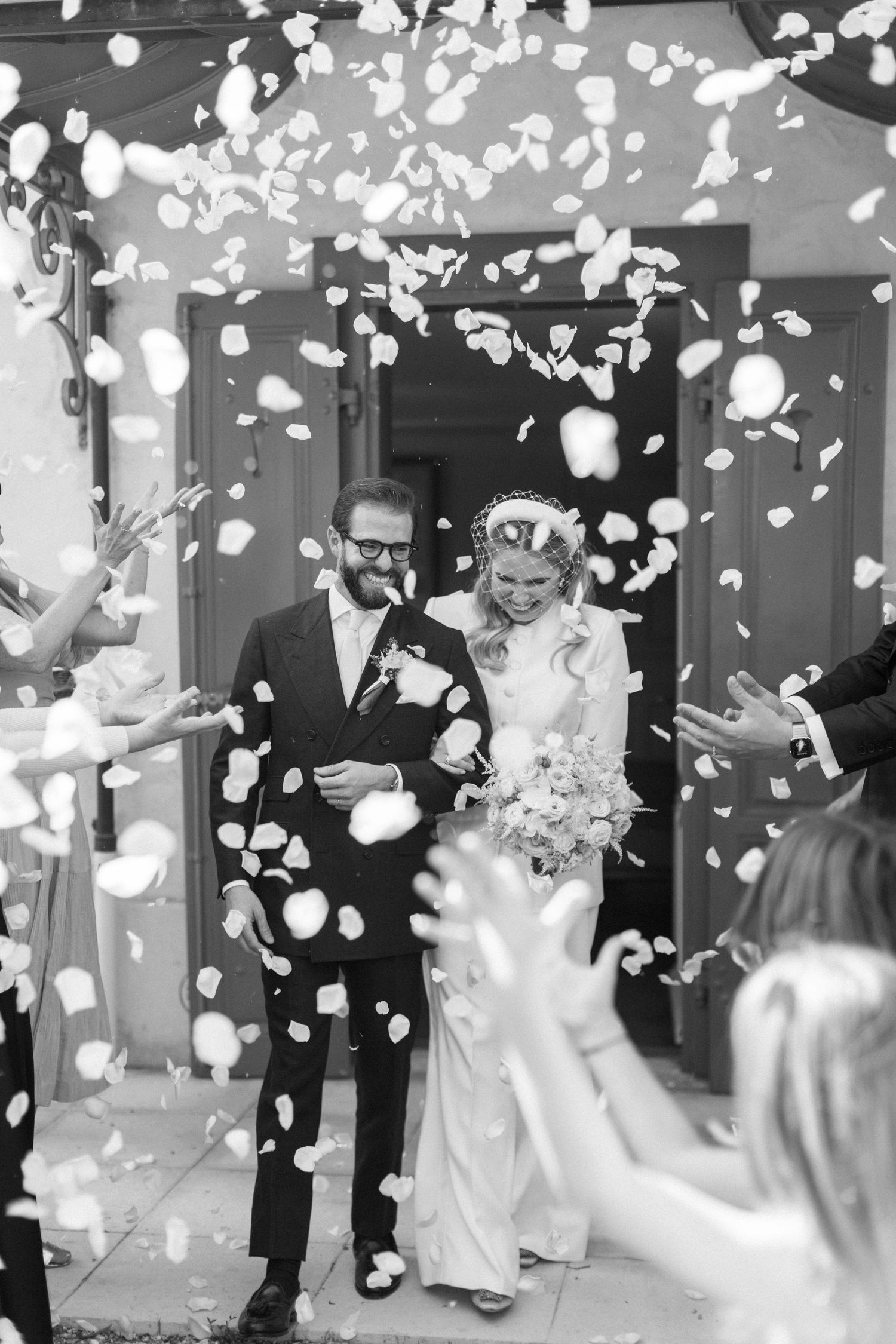
A Calm Bride’s Guide
by Nonna Vanesian, Wedding Photographer

"This guide is not about doing more.
It’s about understanding what truly matters,
so you can be present on your wedding day."
—How to experience your wedding day, not perform it
Why calm is everything
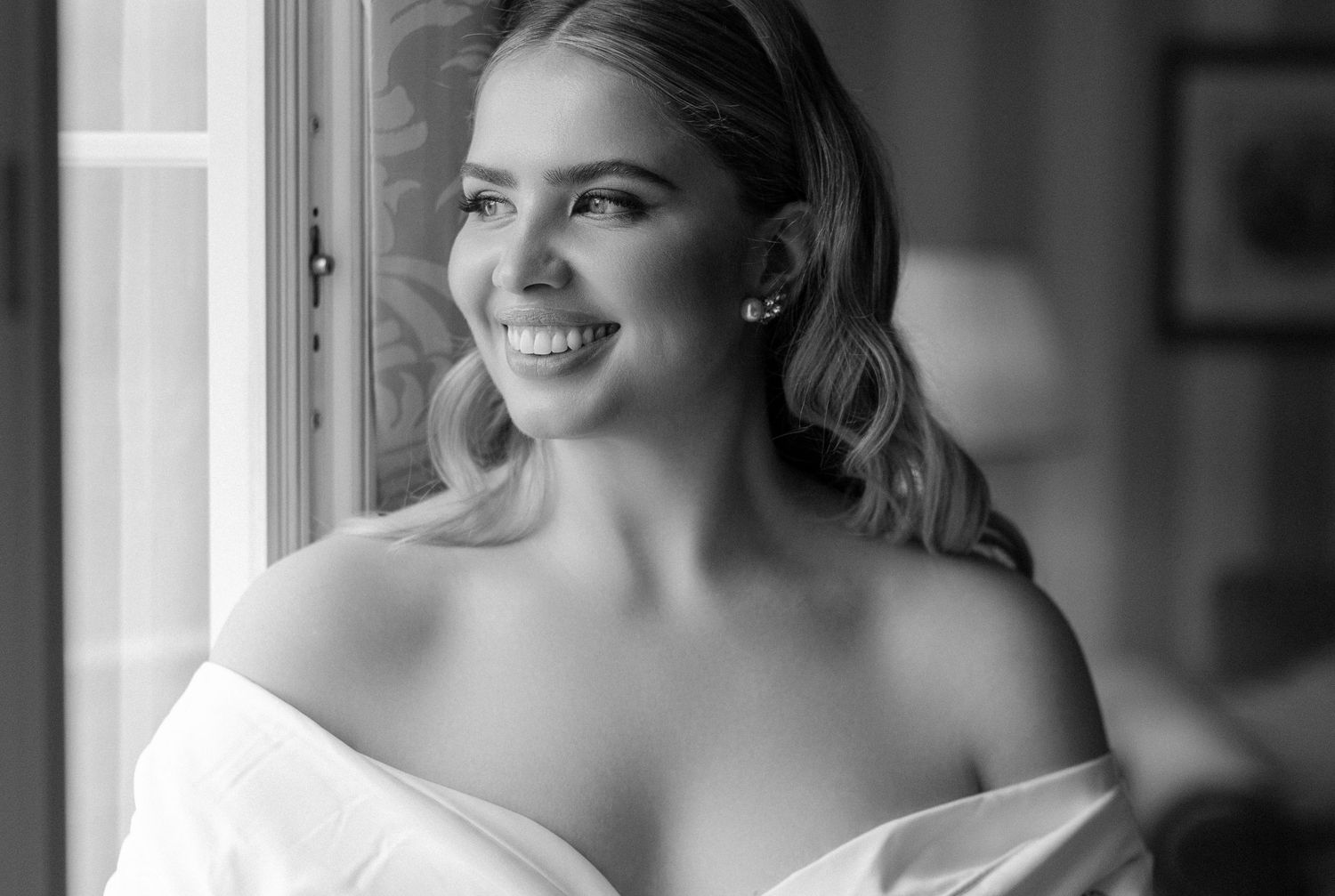
Calm creates space for real moments.
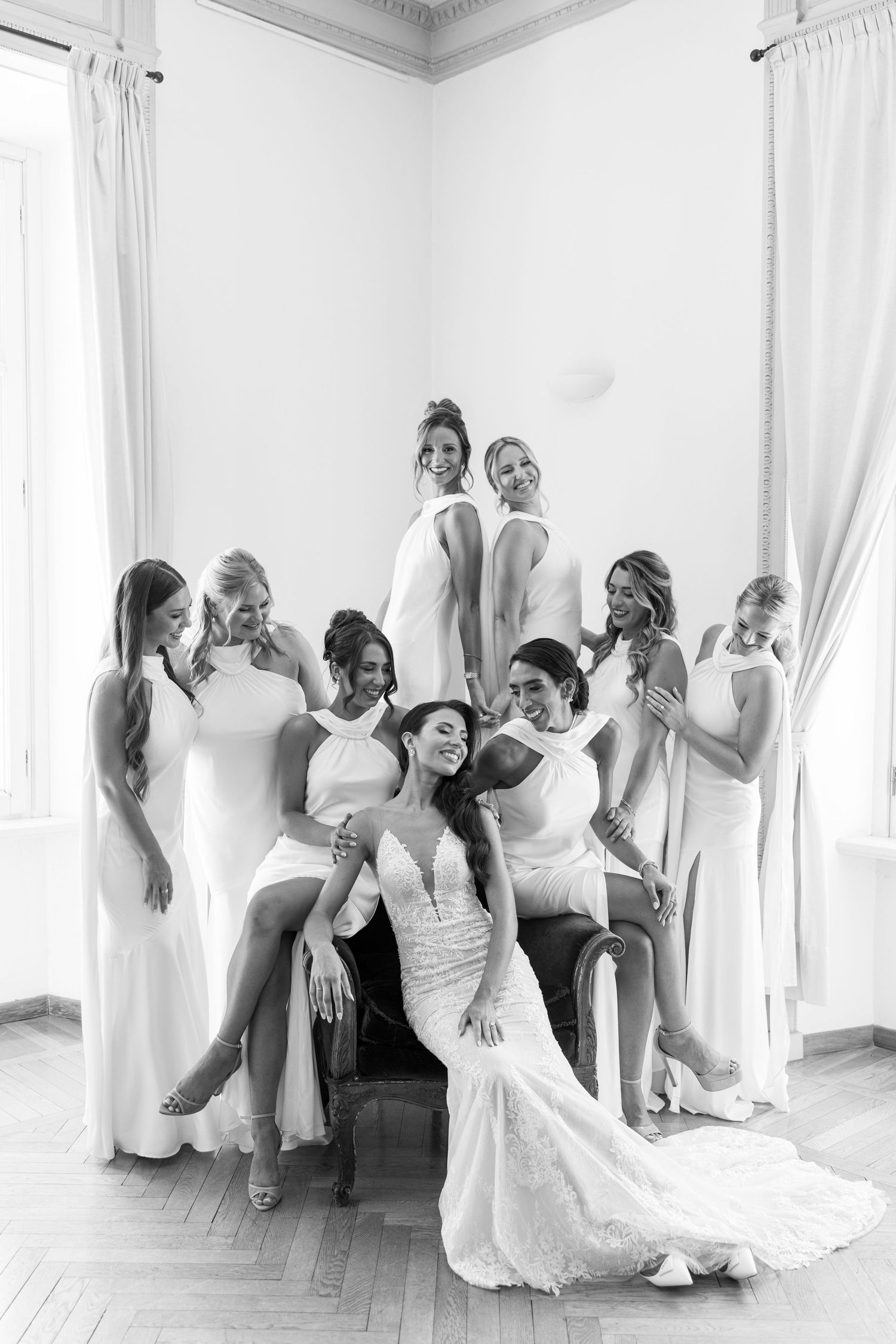
Stress always shows, in the atmosphere and in the images.
Timing, light and flow
Timing
The most beautiful photographs come from good timing, not from rushing or over-scheduling.
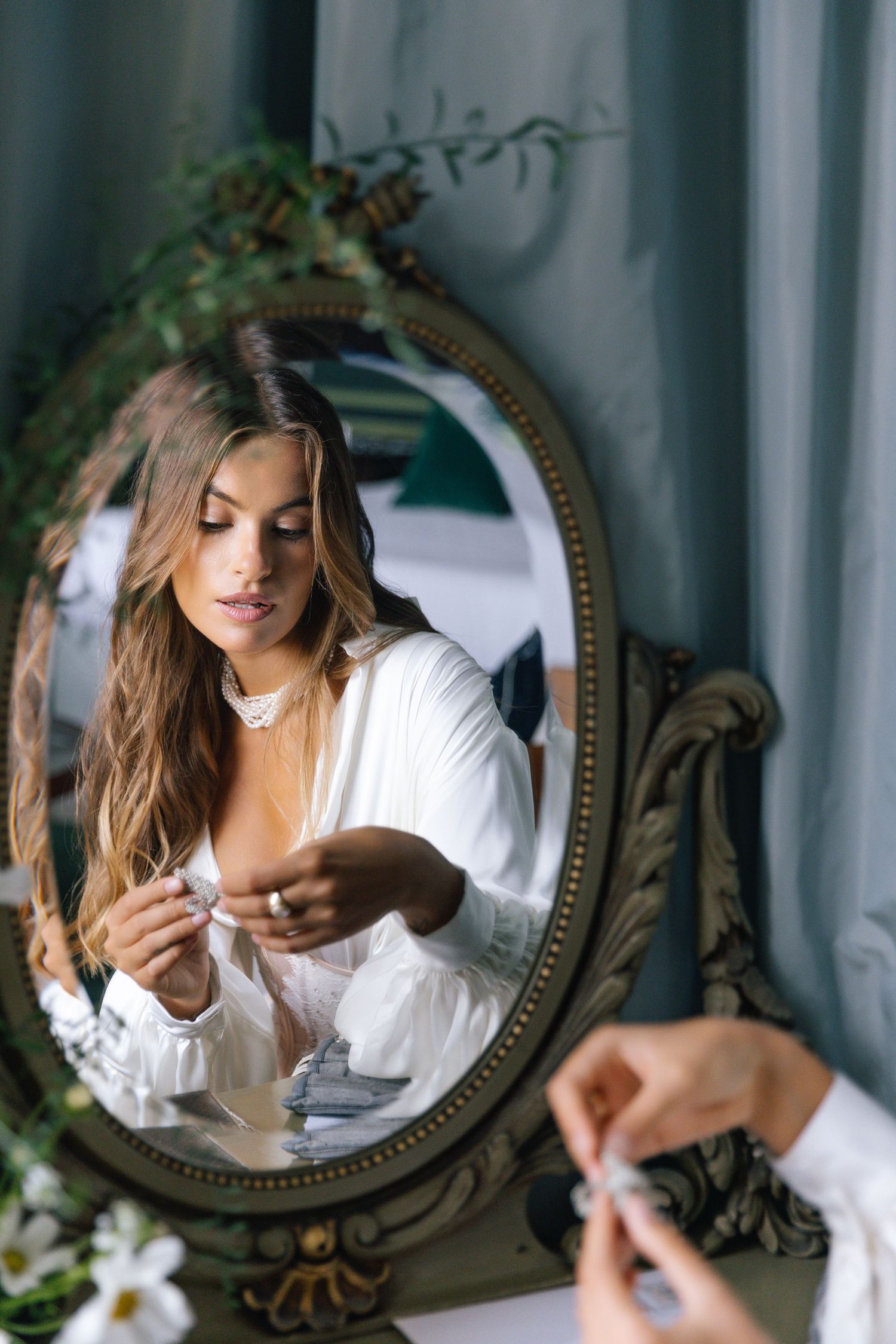
Light
Plan the day around light, not just logistics
Light defines the mood of your photographs. When planning the timeline, consider when the light is soft (good for pictures) and when the sun is highest (bad for pictures).
A well-planned timeline protects both the experience and the visual story of the day. The most stressful wedding days are often the most tightly scheduled ones. Leave pauses in your timeline. Space allows moments to happen
and gives you time to breathe.
Photographer's Practical Advice
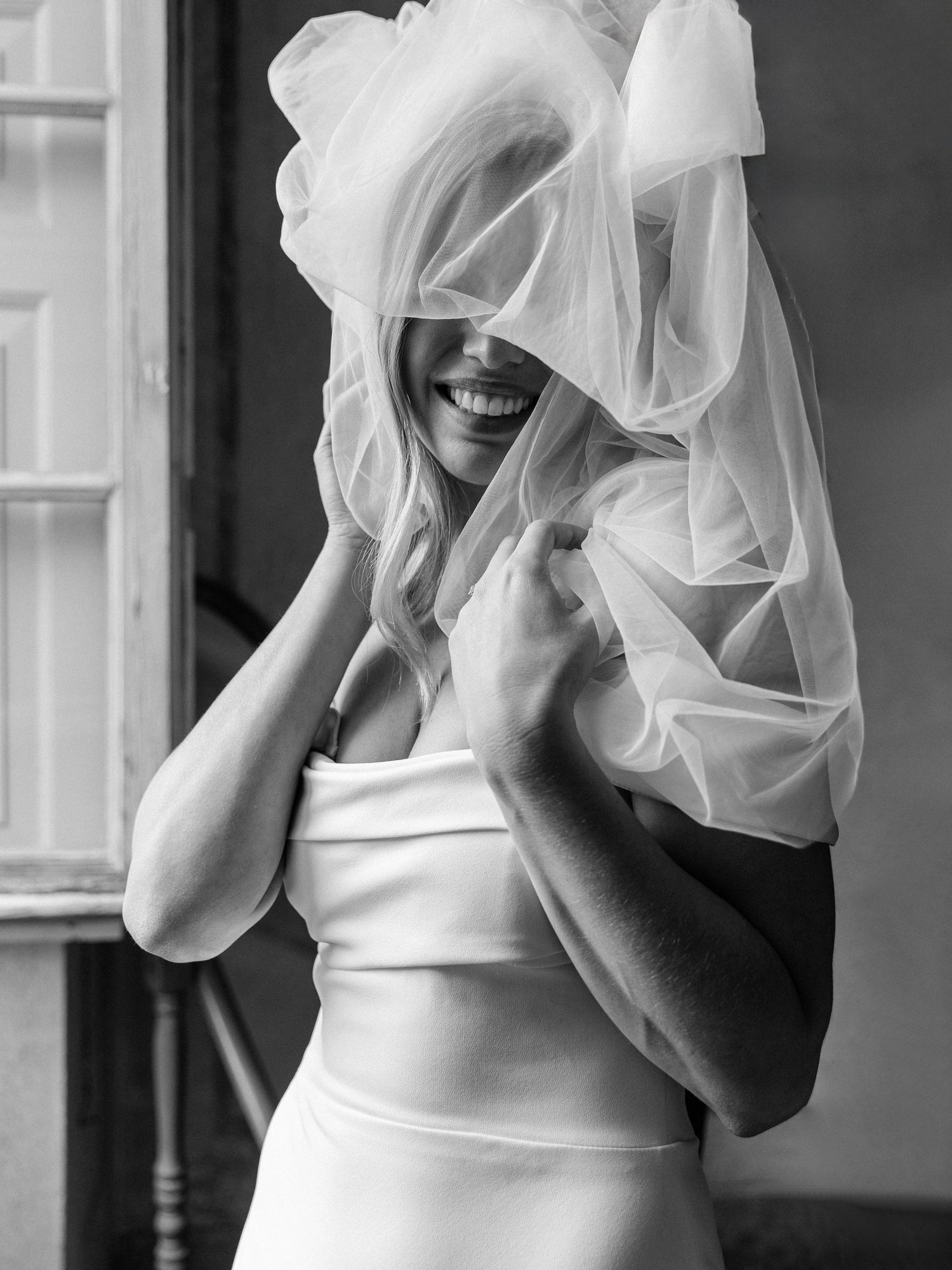
Advice 01
Getting Ready
How to protect calm, light and space during the bridal morning
- Plan make-up to be finished when photography begins
Make-up almost always takes longer than expected.
Plan for it to be completed by the time photographers arrive, not during it. This allows you to start the morning calmly and avoids rushed portraits.
- Reserve the best light for photography, not make-up
When make-up is done in your suite, artists naturally take the brightest and often the central spot in the room — the same space photographers need. Coordinate with the hotel in advance to set up a dedicated make-up area, so the room remains visually open and ready for photographs.
- Plan the hair & make-up finishing order intentionally
Whenever possible, plan your make-up and hair to finish last rather than first. This helps preserve freshness and allows your morning to flow naturally, without waiting or redoing details.
- Schedule bridesmaids to be ready before the first look
If bridesmaids are still in make-up when photography starts, those moments are often lost. Plan their preparation so they are dressed and ready during your morning. This allows for natural, beautiful images together.
- Arrange room styling with the hotel team
Suitcases, garment bags and personal items quickly fill the room.
Ask the hotel team to tidy the space and make the beds shortly before photography begins. A clean room gives photographers freedom to work without compromise.
- Limit the number of people in the suite
A crowded room creates visual and emotional noise. Keep only the people who truly need to be there. This protects both the atmosphere and the intimacy of the morning.
- Keep your details together and ready
Have both rings, invitation cards and a few personal items (such as your perfume) prepared in one place. The bridal morning is usually when detail photographs are created, and having everything ready avoids interruptions later.
- Make key decisions before the morning begins
The more decisions are made in advance, the calmer the morning feels. On the wedding day itself, your only task should be to be present, not to choose, adjust or manage.
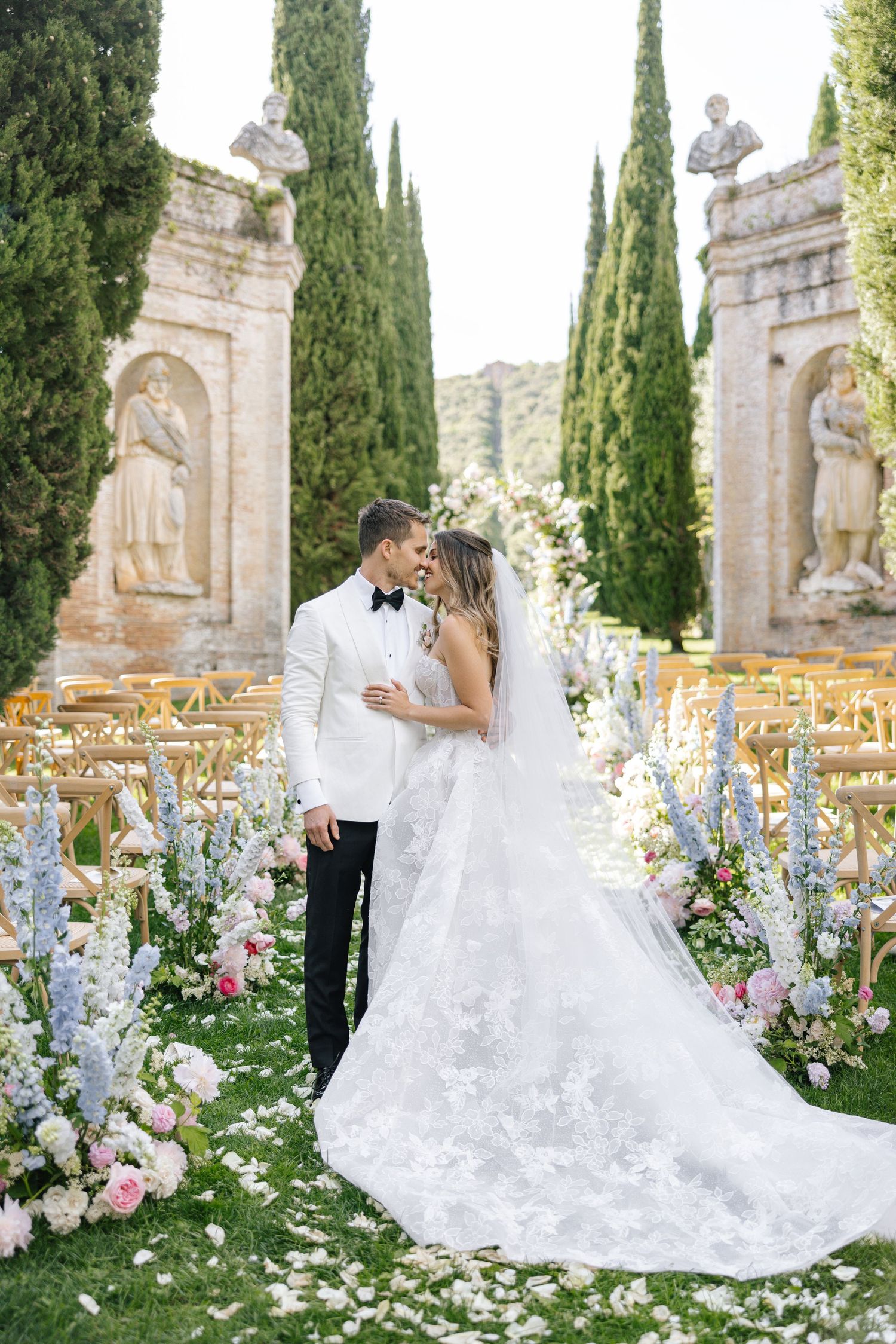
Advice 02
Ceremony & Flow
How to protect atmosphere, timing and emotional continuity
- Plan the ceremony time around light, not convenience
The ceremony sets the emotional tone of the entire day.
When possible, choose a time when the light is soft and balanced, harsh midday sun creates tension in both atmosphere and images.
- Walk down the aisle slowly and allow yourself to be seen
Walking down the aisle is an emotional moment, and it’s natural to feel nervous or rushed. Try to slow your pace and take in each step. This gives your guests the chance to truly see you and allows photographers to capture the moment fully. Moving slowly creates presence, not tension.
- Brief the officiant about pacing and positioning
The officiant plays a key role in the visual and emotional flow of the ceremony. A calm pace, intentional pauses and thoughtful positioning allow moments to unfold naturally and be captured discreetly. When exchanging rings, ask the celebrant to gently step back for a moment. This small adjustment keeps the focus on the couple and allows photographers to capture this intimate exchange clearly and unobstructed.
- Slow down again after the ceremony
The walk back down the aisle is just as important as the entrance. Walk slowly, pause in the middle, share a kiss, continue, and pause once more at the end. These natural pauses are appreciated by both guests and photographers and create some of the most joyful images of the day.
- Stay aware of your photographers’ signals
Your photographers are always watching the flow of the moment. If they gently signal to slow down, pause or adjust positioning, it’s simply to protect the moment, not to interrupt it. A brief pause often makes all the difference.
- Protect the moment immediately after the ceremony
The minutes following the ceremony are often the most emotional of the day. Avoid being pulled away immediately for logistics or congratulations. Allow a short, quiet pause, as these moments are often the most meaningful and memorable.
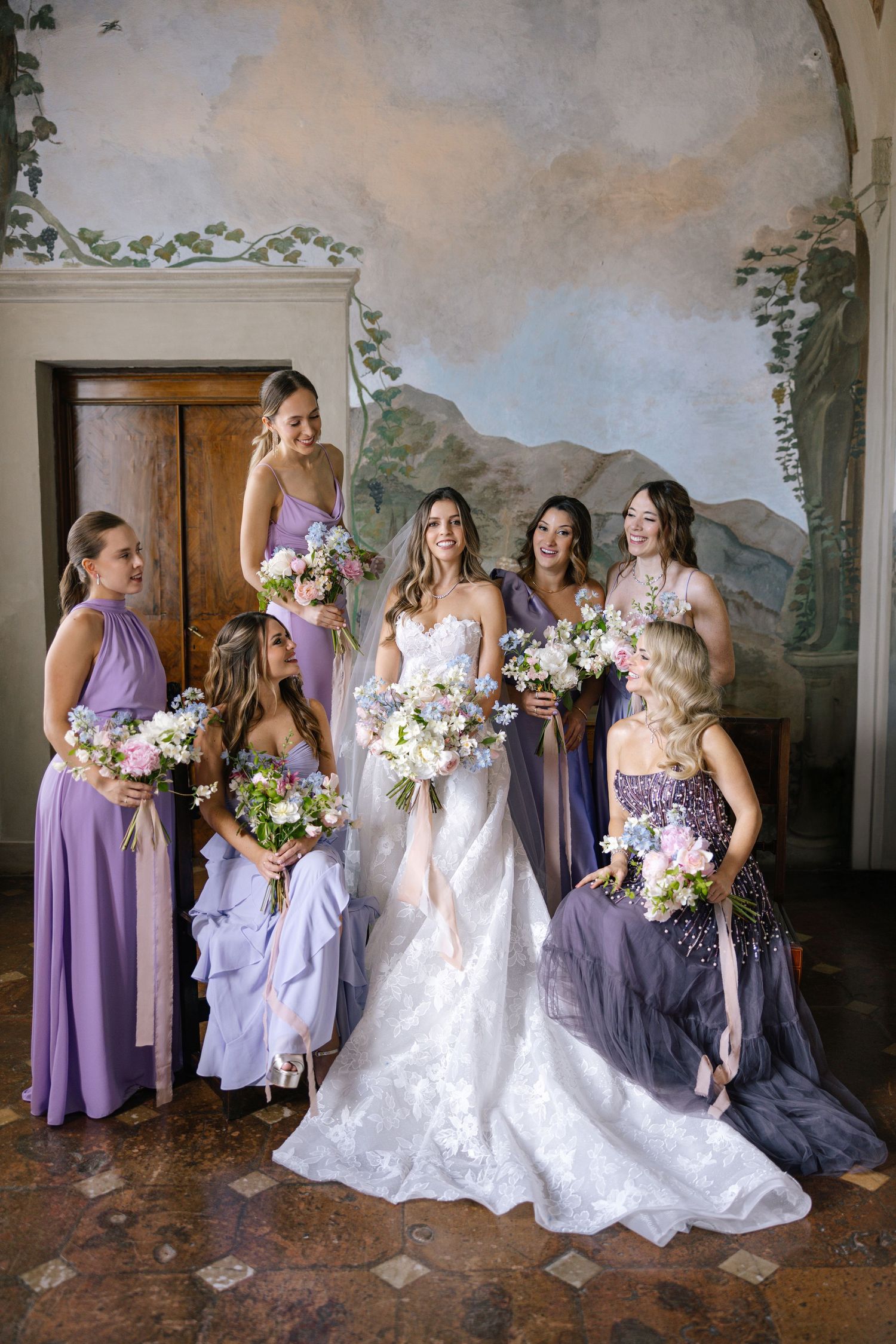
Advice 03
PORTRAITS & TIMING
How to create space for portraits without breaking the flow of the day
- Treat portraits as part of the experience, not an interruption
Portraits are not a separate task to “get done.” When planned well, they become quiet pauses within the day, moments to reconnect, breathe and be present together. This mindset alone changes how they feel.
- Fewer portrait sessions, longer and calmer
Instead of scheduling many short portrait moments, aim for fewer sessions with enough time. This avoids rushing, allows you to settle into the moment, and results in more natural, refined images.
- Prepare a clear list for family portraits
Family portraits move smoothly when expectations are clear and someone familiar is guiding the process. Prepare a short list of family groupings in advance and ask a trusted person — a planner, family member or close friend — who knows everyone well to assist during this time. This avoids confusion, keeps portraits efficient, and allows photographers to focus fully on capturing the moment.
- Plan couple portraits around light, not convenience
The most flattering and timeless portraits are created in soft, directional light. Work with your planner and photographer to identify one or two ideal windows during the day, often around late afternoon or early evening. Good light removes the need to “try harder.”
- Trust gentle direction, not posing
Luxury portraiture is built on subtle guidance, not fixed poses.
Small adjustments in posture, movement and spacing allow images to feel natural and editorial rather than staged. You don’t need to perform, just respond. Your photographers will guide you softly, adjusting position, light and spacing.
- Trust your photographer to know when to stop
One of the most valuable skills of an experienced photographer is knowing when enough has been captured. Ending portraits at the right moment keeps the day flowing naturally and preserves your energy for what comes next.
A Final Note
Weddings are not remembered for how perfectly they followed a plan.
They are remembered for how they felt.
Calm, presence and trust are never accidental, they are the result of thoughtful decisions made in advance and the right people working quietly together.
If this guide helped you see your wedding day a little differently, then it has already done its job.
And if this way of thinking resonates with you, I would love to hear about your celebration when the time feels right.
— Nonna Vanesian
Wedding Photographer